

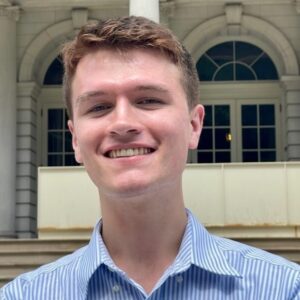
Henry Austin
Henry Austin is the Program Manager and a Fellow in the STS Program. Previously, he was a Research Associate with the Global Observatory for Genome Editing. Henry holds an A.B. from Harvard College, where he studied Social Studies with a Secondary Field in Computer Science before graduating in 2023.
In the STS Program and the Observatory, his research has focused on the politics of datafication and memory, with a particular focus on the right to be forgotten and the remaking of state sovereignty in technological societies. Henry will enroll in Columbia Law School in Fall 2026.
Xin Jin
Xin Jin is a Ph.D. student in Political Science at the University of Bonn. Her research examines how Germany is managing its increasingly complicated and conflicting approach to AI diplomacy with China. She holds a B.A. in German Language and Literature from Beijing Institute of Technology and an M.A. in Country and Regional studies from the Germany Research Center of Tongji University. She is a recipient of a Ph.D. scholarship from the China Scholarship Council (CSC).

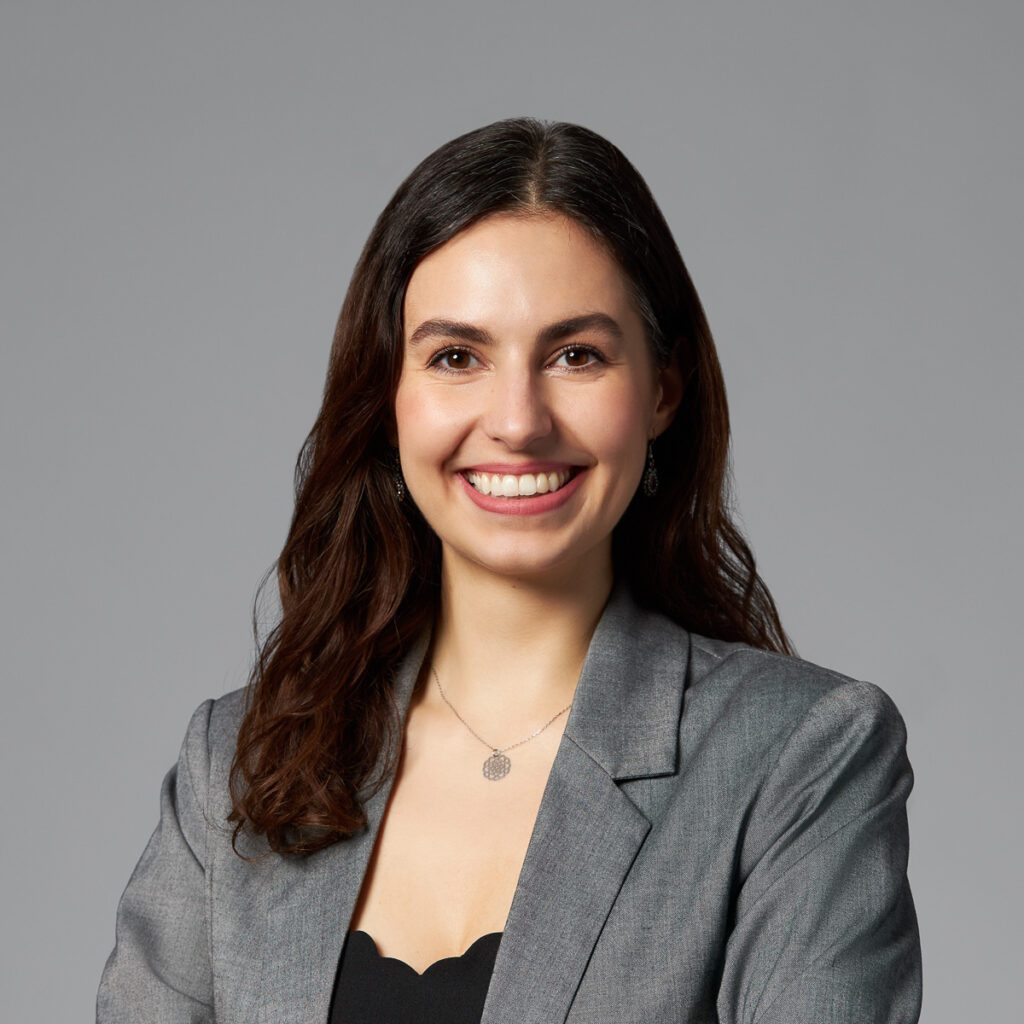
Sophia Knopf
Sophia Knopf is an STS scholar and postdoctoral researcher at the Professorship of Innovation Research at the Technical University of Munich. She recently completed her doctoral research within the mobility innovation cluster MCube, where she explored the interaction of knowledge, representation, and urban governance through the example of Urban Digital Twins.
In 2022, Sophia was a Fellow in the Program of Science, Technology, and Society at the Harvard Kennedy School. She holds an M.A. in Responsibility in Science, Engineering, and Technology (RESET) from the Technical University of Munich and a B.A. in Communication Science and Psychology from Ludwig Maximilian University of Munich. As part of her academic training, she completed study and research stays in Dublin and Copenhagen. Sophia is also responsible for research and strategy at the Cluster of Excellence TransforM and is a member of the strategy team of the mobility cluster MCube.
Lou Lennad
Lou Lennad is a PhD candidate in Public Policy on the Science, Technology and Policy Studies track at Harvard Kennedy School. In addition to being a Fellow in the STS Program, she is a graduate student affiliate of the Center for European Studies and the Weatherhead Center for International Affairs.
Her research first focused on the governance of science and technology, especially human genetics and neurotechnology, before turning to the science and technology of governance. Her dissertation research, supervised by Sheila Jasanoff, explores the relationship between expertise, democracy and legitimacy as it plays out in the recent emergence of the field of ‘behavioral science for public policy’. She compares the behaviorist practices of continental Europe to the Anglo-American ones.
Lou holds an MSc in STS from University College London, and three bachelor’s degrees in Political Science, Genetics, and Law. She gained field experience at the French INSERM ethics committee and at the OECD.
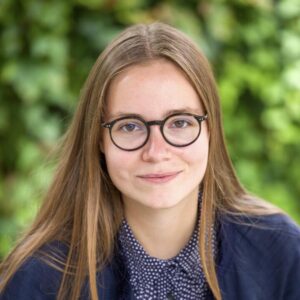
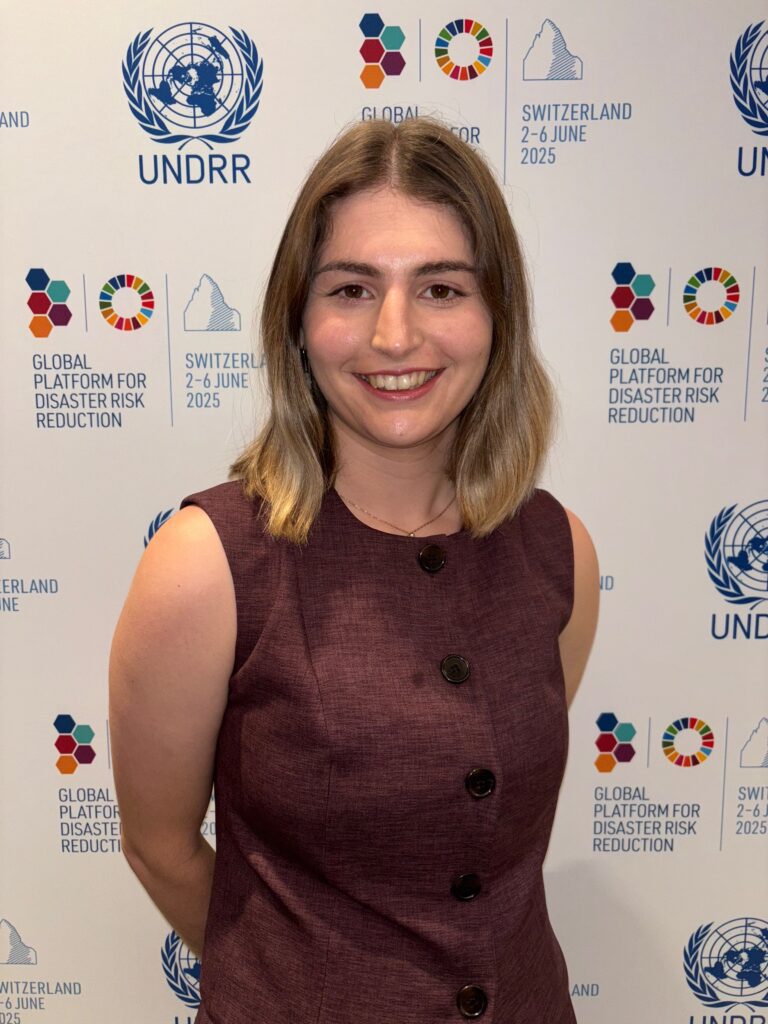
Lucy Maun
Lucy Maun is a PhD student at University College London (UCL), working between the Departments of Science and Technology Studies (STS), and Risk and Disaster Reduction (RDR). Her doctoral research investigates the recent global push to develop large-scale environmental digital twins, and how this is shaping approaches to risk in the context of the climate crisis. Her work focuses on the role (and impact) that innovation, governance, and resilience have in driving uptake of this technology, and explores the consequences of applying a technology designed for urban infrastructure to the natural world. A recipient of ESRC 1+3 funding for her MSc and PhD in STS, and a UCL Research Excellence Scholarship for Cross-Disciplinary Training for an additional year to specialise in RDR, Lucy is an inherently interdisciplinary scholar working at the intersection of responsible innovation, risk and resilience, and technology governance. She is a research associate at the UCL Centre for Responsible Innovation, working on capacity building and developing a training programme in responsible innovation for doctoral students across the UK. Alongside this, she is the digital twin lead for the UCL Warning Research Centre, leading a project to map digital twins being used for RDR globally.
Conor McGlynn
Conor McGlynn is a PhD candidate in Public Policy at the Harvard Kennedy School. He was a 2020-2021 Fulbright Scholar at the Wilson Center in Washington D.C. and a 2019-2020 Schwarzman Scholar at Tsinghua University in Beijing and previously worked in EU affairs in Brussels. He holds degrees in philosophy and economics from the University of Cambridge and Trinity College Dublin.
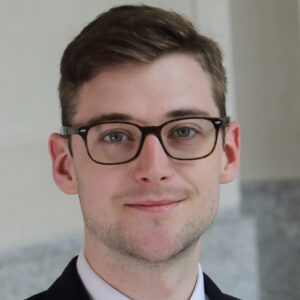

Benedetta Muda
Benedetta Muda holds an MSc in Medical Biotechnology and Molecular Medicine from the University of Milan. She is pursuing a joint PhD at the Department of Medical Biotechnology at the University of Milan and the Department of Social Sciences at KU Leuven. Her research focuses on the politics of biomedical research practices and the governance of artificial intelligence in biomedicine.
Philipp Neudert
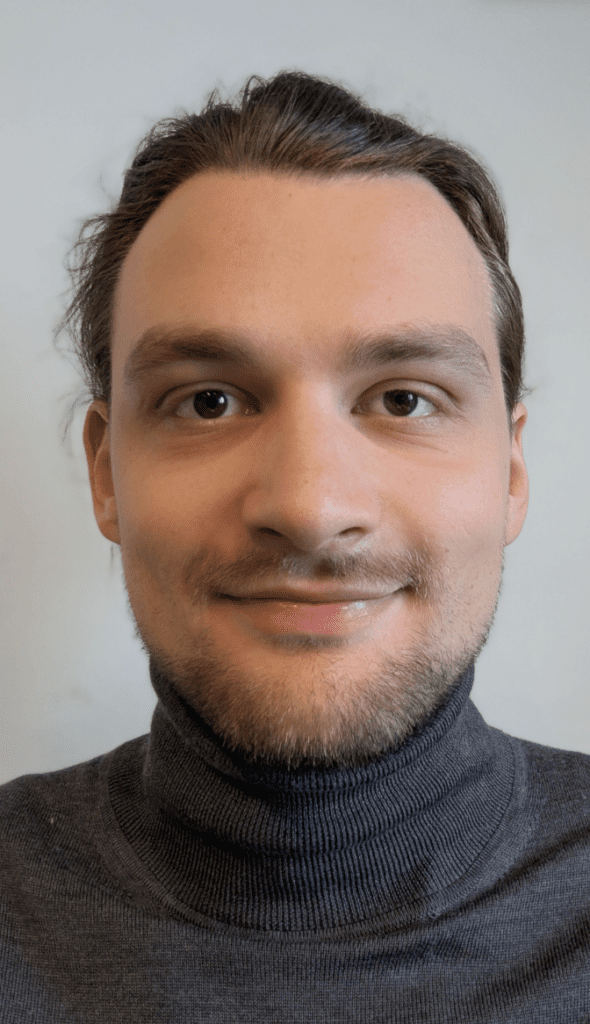
Philipp is a transdisciplinary innovation researcher with a background in Science and Technology Studies (STS) and Philosophy and Economics (P&E), driven by two essential questions: How does innovation ‘work’, and how can we make it ‘better’? Philipp works on these questions as a research associate at RWTH Aachen University’s Human Technology Center (HumTec) in the context of projects on semiconductors/next generation computing (NeuroSys) and bioeconomy (Bioökonomie VVU). Since September 2023, Philipp serves as co-lead of HumTec’s area of activity “Collaborative Innovation”, coordinating several projects studying transdisciplinary innovation dynamics in the Rhenish lignite area. In late 2023 as well, Philipp has assumed the role as an editorial assistant of the Journal of Responsible Innovation. Philipp’s cumulative dissertation work (2022-2026) under the supervision of Stefan Böschen, Phil Macnaghten and Mareike Smolka focuses on the role of futures in the emerging innovation ecosystem of NeuroSys, and the potential and limits of working with futures to facilitate the responsible governance of this innovation ecosystem. The work connects to his broader interests in Responsible Innovation (RI), future studies, and innovation democracy.
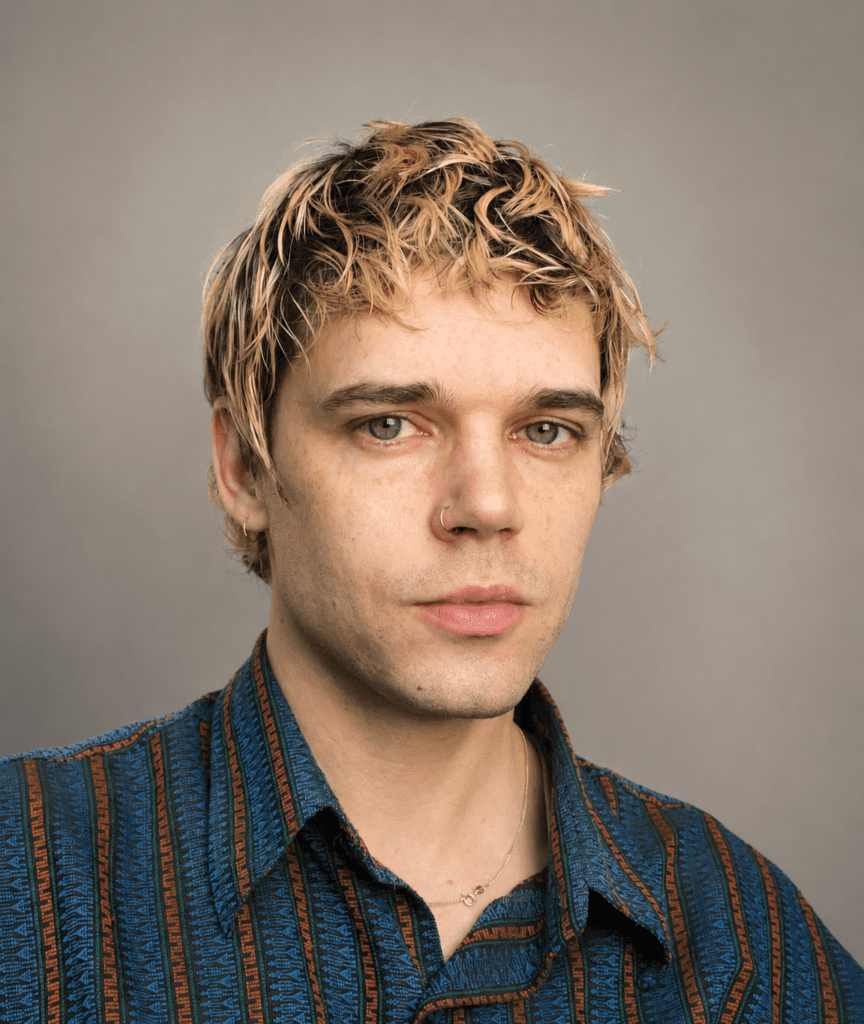
Santtu Räisänen
Santtu Räisänen (PhD, Social Science) is a Post-Doc Researcher who works between the fields of cultural studies and STS at Aarhus University’s department of Digital Design and Information Studies. He is interested in representation, ideology and the cultural practices of innovation and digital technologies. Currently he is working on a project studying technological apocalypticism and discourses of existential risk. Previously he has researched the culture of post-bureaucratic innovation in Finnish public administration.
Cosimo Simoncini
Cosimo Simoncini is a doctoral candidate and research associate at the Innovation, Society and Public Policy (ISPP) Chair of the TUM School of Social Sciences and Technology (STS Department). He holds an M.A. in Science and Technology Studies (TUM) and a B.A. in Sociology and Technology Studies with a minor in Statistics and Econometrics (TU Berlin).
His doctoral research examines how paradigmatic shifts around dual-use innovation, spanning drone technologies, AI systems, and satellite infrastructures, are made culturally and institutionally plausible across European industrial regions. Set against a backdrop of rapidly shifting geopolitical conditions and the growing entanglement of public and private actors in strategic technology development, his research asks how these global pressures land at the regional level — how processes of militarization and securitization are perceived, negotiated, and legitimized in places like Northern Italy and Southern Germany. To do so, he employs a qualitative methodology combining interviews, ethnographic fieldwork, group discussions, and archival research.
His broader research interests include EU science and innovation policy, the epistemology of risk and hazard models (specifically the use of Quantitative Structure-Activity Relationship models (QSARs) under the REACH regulation), and the dynamics of AI diffusion in SMEs and regional industrial contexts.
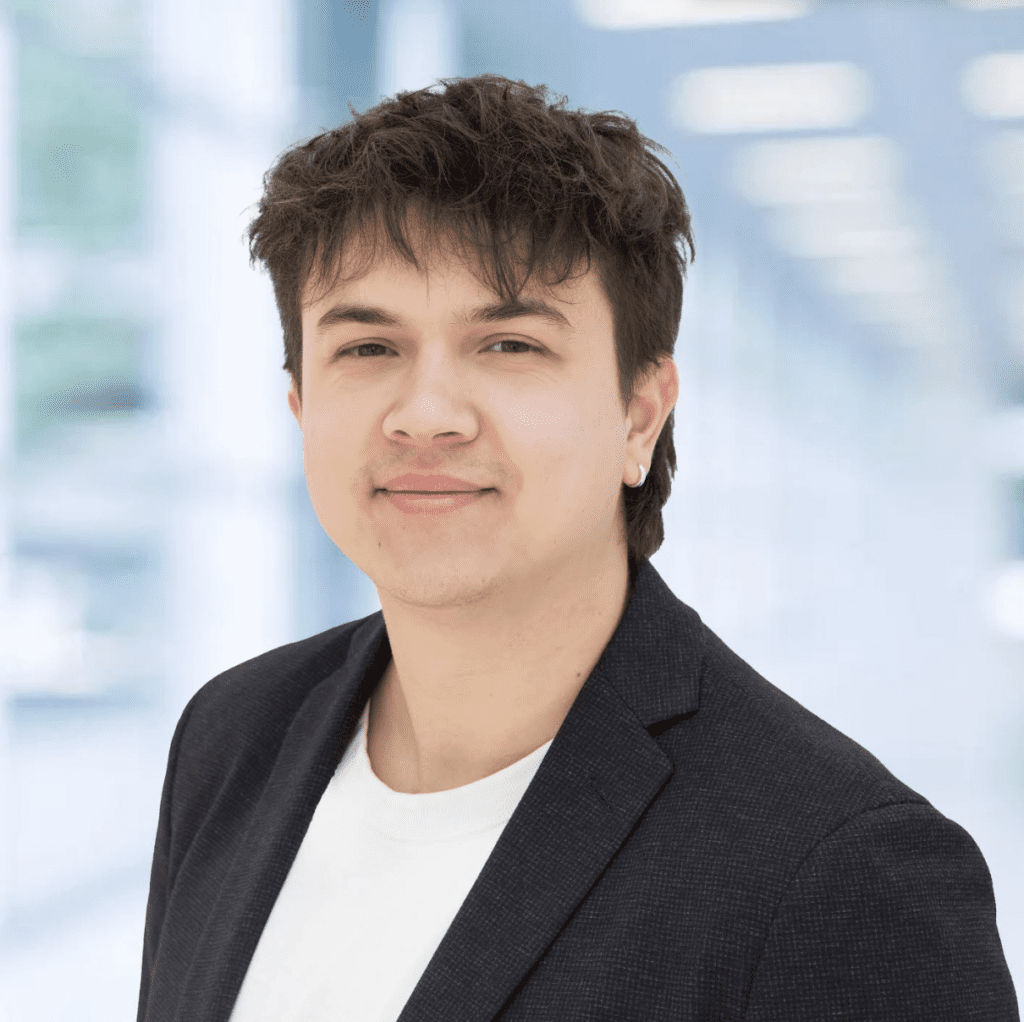
Luke Stalley
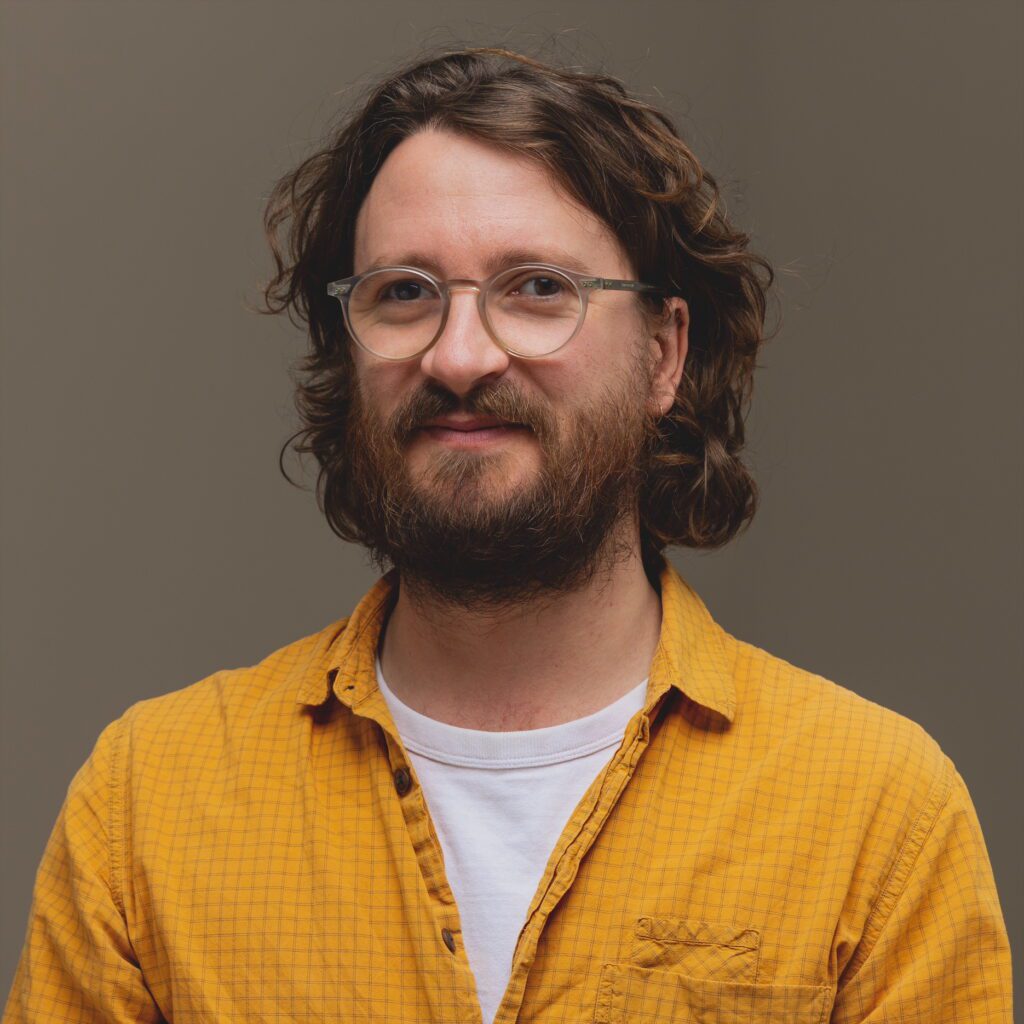
Luke Stalley is a PhD Candidate in Sociology at the University of Zurich. After completing his BA in Human Sciences at the University of Oxford, he undertook a masters in Medical Sociology & Anthropology at the University of Amsterdam, where he researched everyday care practices under the supervision of Annemarie Mol. Writing from methodological sensibilities developed across Science & Technology Studies and drawing on ethnographic fieldwork conducted in UK hospitals, his current research investigates matters of corporeality, temporality and care in the grey zones between life-prolonging and non-life-prolonging intervention in geriatric medical research and practice. Across his work, Luke is concerned with the normative configurations of living with dying, and how to theorize the relations between medicine, society and mortality with care.
Kassandra Thompson
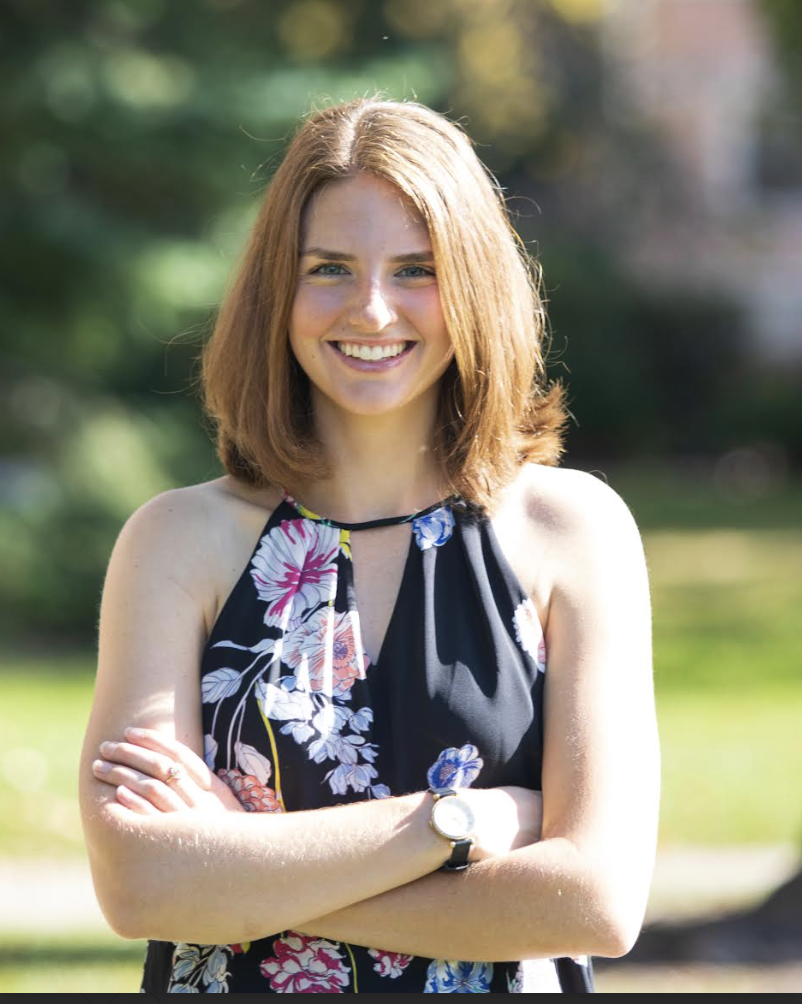
Kassandra Thompson is a Sociology PhD student at the University of Wisconsin–Milwaukee. Her research examines the institutions of science, public understanding of science, and the governance of emerging technologies through mixed-methods approaches. Her current project explores the socio-economic effects of university science investment across the United States. Supported by the Northwestern Mutual Data Science Institute, another project in development assesses institutional frameworks for evaluating AI’s role in knowledge production and scientific integrity. In addition to her research, she mentors undergraduate researchers and serves as a teaching assistant for undergraduate statistics courses at UWM.
Zhen Zhang
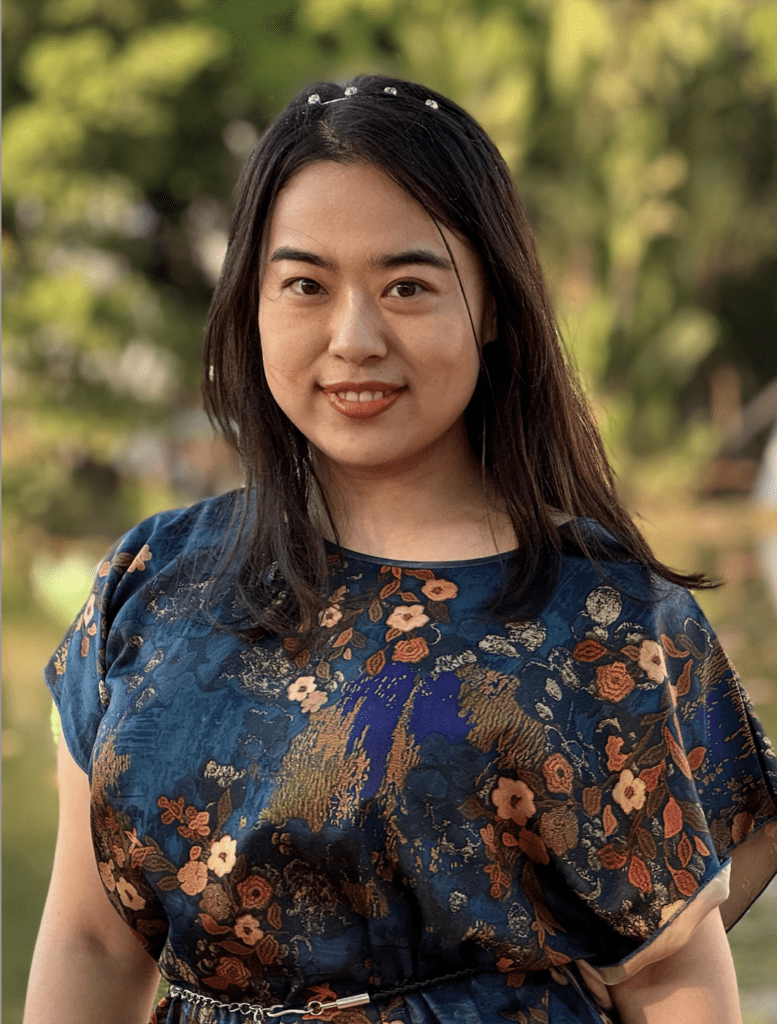
Zhen Zhang (Jennie) is a postdoctoral researcher in the School of Social Sciences at Tsinghua University. Her major research field is the philosophy of technology, with an emphasis on the ethics of technology. She publishes work on cyborg theory, the ethics of brain-computer interface (BCI), and AI-driven forms of human-machine collaboration. Her doctoral dissertation proposes an ecological niche understanding of the cyborgs in terms of its historical evolution, social roles, and responsibilities. Building on this foundation, her postdoctoral research examines the ethical implications and potential applications of BCIs in healthcare and education, drawing on fieldwork in Chinese BCI companies and hospitals. Her current work is on cognitions, emotions, and attention in therapeutic and educational contexts. This research aims to provide empirically grounded theoretical insights for the development of emerging BCI technologies and to support science communication, public engagement, and technology risk governance in human-machine collaboration and BCI.
What I really liked with the Summer School is the possibility of meeting people coming from all around the world and who are also passionate about STS. It has helped me to understand who I really was in that big STS family by learning other ways of doing STS in different countries through specific concepts, methodologies or topics.
– Antoine, 2022 Participant