


Daniel Affsprung
Dan Affsprung is a PhD student at Arizona State University studying History and Philosophy of Science. His dissertation research examines the efforts of the US Legislative branch to produce policy-relevant knowledge about technology’s impacts on society. He was a Harvard Kennedy School STS Fellow in 2024-5.
Vasilis Argyriou
Vasilis Argyriou is a PhD researcher for Technology and Governance (TaG) at the Department of Humanities, Social and Political Sciences, ETH Zürich. His ongoing dissertation investigates how data is used to create knowledge, make truth claims, and inform decisions within eu-LISA’s large-scale IT systems for digital border control and migration management in the Schengen Area. The project explores the epistemological, organizational, and political implications of how data is used and its quality within these socio-technical digital systems for risk assessment and governance.
Vasilis holds a MSc degree in History and Philosophy of Science and Technology (HPST), Joint interdepartmental program offered by History and Philosophy of Science department, National and Kapodistrian University of Athens & Department of Informatics and Telecommunications, majoring in Science and Technology Studies (STS), a specialization in Science and Public Policy offered by the European Inter-University Association , Society, Science and Technology (ESST) and the University of Maastricht, and a BSc in History and Philosophy of Science and Technology from the NKUA. Before joining the TaG group at ETH, he worked as a research fellow for the Foundation for Research and Technology-Hellas (FORTH) and the Institute for Mediterranean Studies.

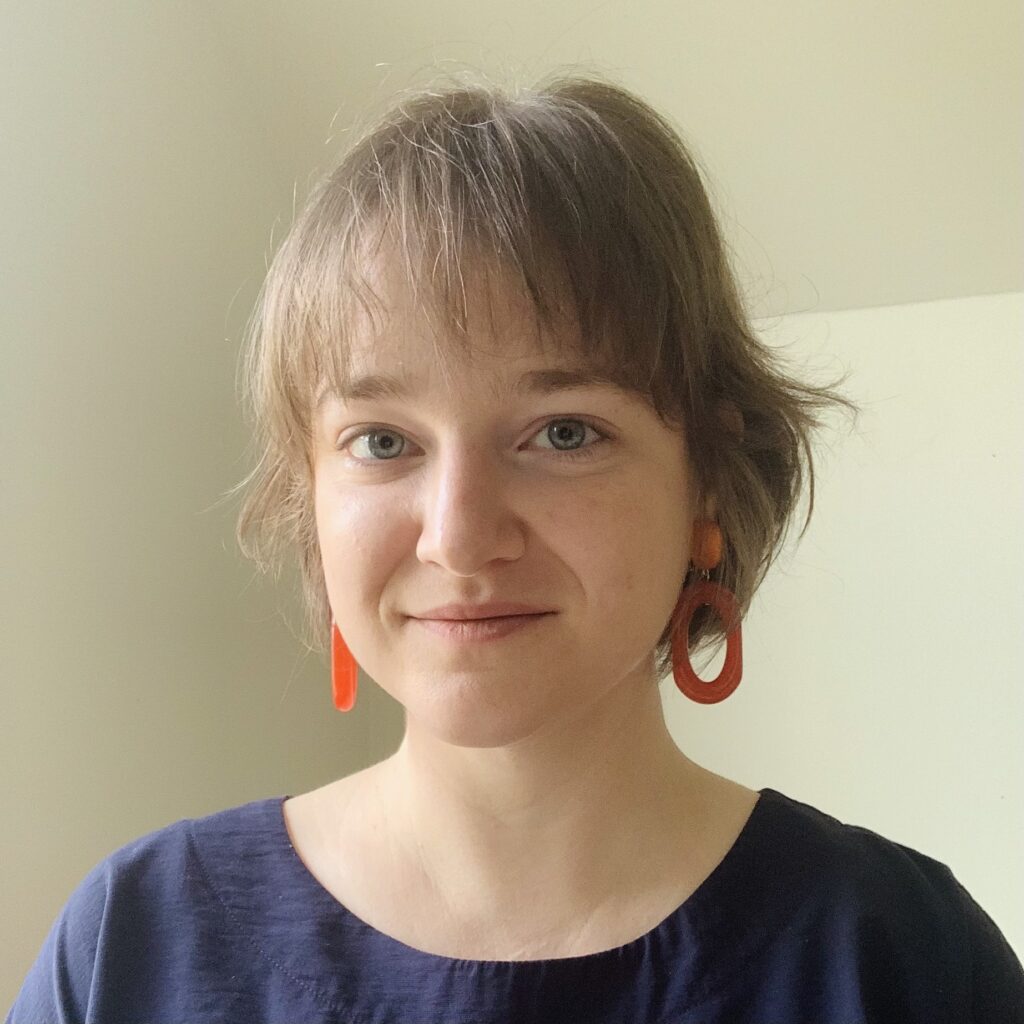
Nicole West Bassoff
Nicole West Bassoff is a postdoctoral research fellow at the Digital Technology for Democracy Lab at the University of Virginia. She studies the politics of digital transformations at urban scales.
Nicole is trained in the field of science, technology, and society (STS) and holds a PhD in Public Policy (Harvard University), an MPhil in History and Philosophy of Science (University of Cambridge), and an A.B. in History and Science (Harvard University). Her work sits at the intersection of STS, urbanism and public policy. She takes a comparative approach to the study of technology policy with a focus on the role of cities and urban politics in the democratic governance of digitization. Her doctoral dissertation examined public controversies surrounding smart city projects in the United States and she is currently developing a cross-national comparative project about the local political frictions produced by the construction of data centers and other resource-intensive infrastructures of the global data economy.
Lisa Claussmann
Lisa Claussmann is a postdoctoral fellow in STS at the Centre de Sociologie de l’Innovation, MinesParis-PSL. Her research analyzes the conditions under which the underground comes to existence as a site for the disposal of industrial pollution in times of environmental crisis. Her current research project focuses on the political and technical resistances surrounding the creation of a carbon capture, transport and storage (CCS) infrastructure between France and Norway. Prior to this, her doctoral dissertation traced the burial of hazardous waste in a former potash mine in the East of France. She holds a PhD in STS from Université Paris Cité and a Master’s degree in political science from Sciences Po Strasbourg (France).

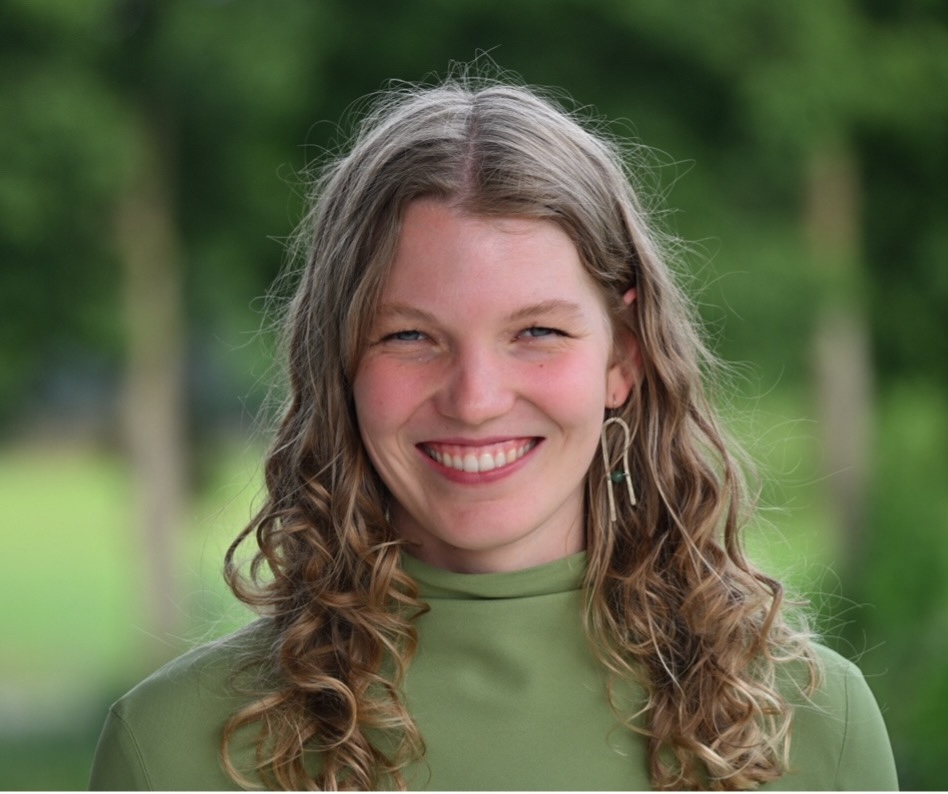
Anna Gall
Anna Gall is a Ph.D. candidate at Utrecht University’s Urban Futures Studio and Innovation Studies Section. Her research examines the performance of politicizing ‘science’, focusing on how different actors – ranging from “radical” academics to (right-wing) politicians – attempt to destabilize academic institutions, practices or funding streams and how this reflects broader sociopolitical projects. Central to her project are questions related to who gets to politicize science, with what implications, and how the politicization of ‘science’ can serve as a catalyst for reimagining science’s role. She holds a bachelor’s degree in Political Science from FU Berlin (Germany) and a master’s degree in the Governance of Sustainability Transformations from Wageningen University (the Netherlands).
Manuel Jung
Manuel Jung is a doctoral candidate at the STS Department at the Technical University of Munich (TUM). His research focuses on living labs in the context of socio-technical transformations. In his thesis, he explores the politics of scaling and scalability in public experimentation with urban mobility and autonomous driving. As part of the Munich Cluster for the Future of Mobility in Metropolitan Regions (MCube), he engages with questions of responsible mobility experimentation in transdisciplinary settings. He holds an M.A. in Science and Technology Studies from TUM and was a visitor at the STS Department of the University College London in fall 2024.
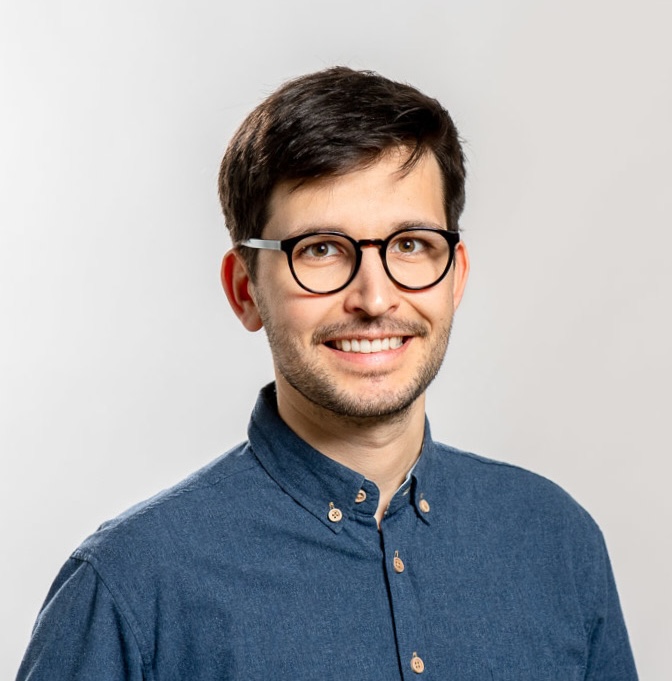
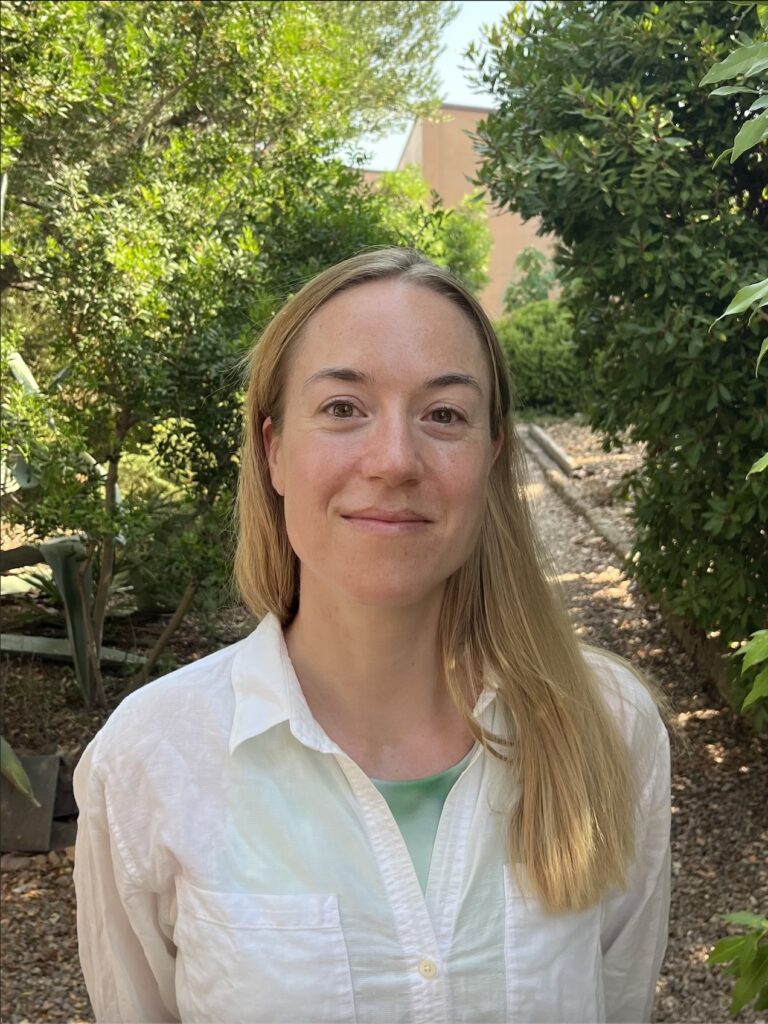
Sara Kinell
Sara Kinell is a doctoral candidate at the Professorship for Ethics, Technology and Society at ETH Zürich. Her project asks how responses to eco-anxiety reconfigure relations between knowledge, value, and action in changing climates. It builds upon theoretical perspectives on the politics of knowledge and relational ethics and engages social actors through ethnographic fieldwork in Sweden, Switzerland, and the United States. Before her doctoral studies, Sara served as research and teaching assistant at ETH Zürich, the University of Basel, and Chalmers University of Technology. She worked for several years together with software engineers and ‘ordinary’ people to characterize ethical, social, and political issues with computing and to produce alternatives through speculative design. Sara holds an M.A.S. and an M.Sc. degree from ETH Zürich and a B.Sc. from Chalmers University of Technology.
Hadrien Macq
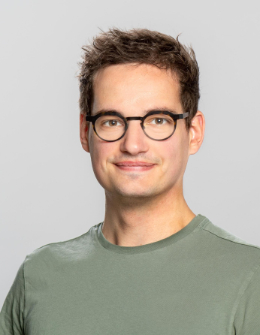
Hadrien Macq is a Belgian National Scientific Fund (F.R.S.-FNRS) postdoctoral researcher at the University of Liège, Belgium (Department of Political Science). His research analyzes the interactions between innovation policies, public participation, biopolitics, and urban governance. His current postdoctoral project investigates the development and use of Urban Digital Twins and associated urban digital modeling technologies in a comparative perspective.
Pariroo Rattan
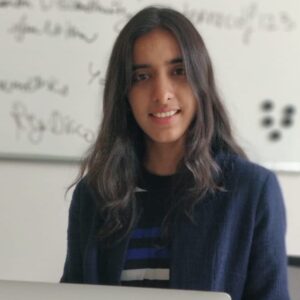
Pariroo Rattan is an incoming Weinberg College Postdoctoral Fellow in Science in Human Culture and the Department of Sociology at Northwestern University. She is a graduating PhD candidate at Harvard University, where she has been a Fellow at the HKS Science, Technology and Society (STS) program and will be receiving a secondary field in Music. Her doctoral work studies the moral politics of the digital economy in India, for which she conducts ethnography on the adoption of digital biometrics and payment systems by street vendors in New Delhi. She also works comparatively on citizen resistance to legal data regulation regimes across the US, EU and China. Apart from digitization, Pariroo is writing about topics relating to the law such as the politics of evidence in the Harvard affirmative action lawsuit, and on the acoustic and sound politics of the urban economy. Her work has been supported by the Wenner Gren Foundation, Weatherhead Center for International Affairs at Harvard and the Berkman Klein Center for Internet and Society among others, and has recently been published by the Economic and Political Weekly.
Rose Sebastian
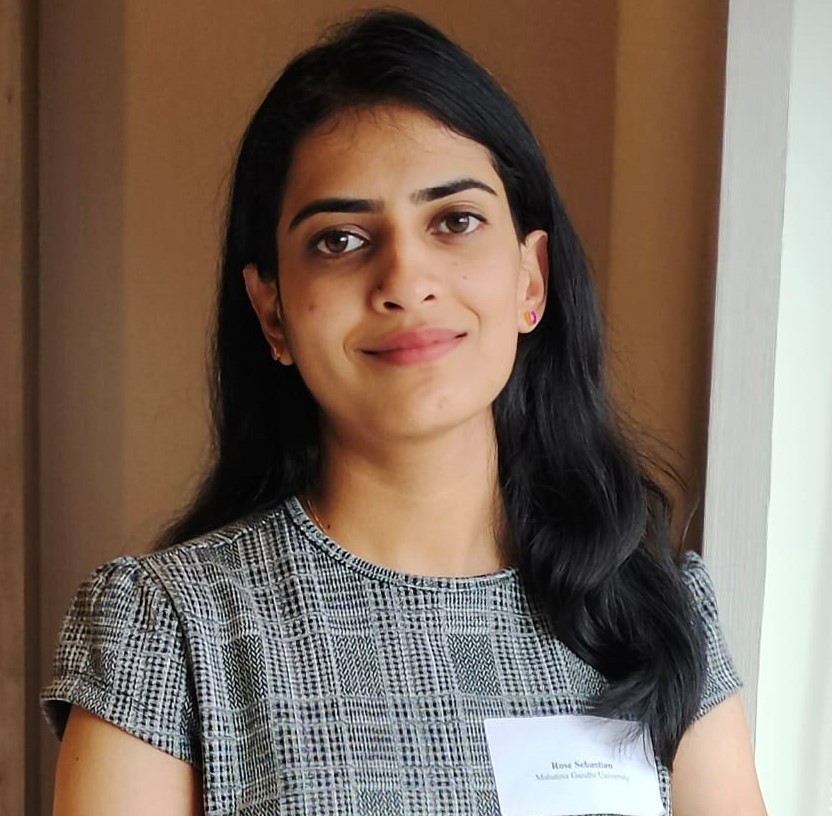
Rose Sebastian is the current Bajaj Postdoctoral Fellow (2025) at Harvard’s Mittal Institute. She is an assistant professor in English at Bharata Mata College, Kerala, India. She holds a PhD in Cultural Studies (2020) from the English and Foreign Languages University, Hyderabad, India for the dissertation titled ‘The State Museum in India: Nation, History and the Politics of Display’. She is a two-time Charles Wallace Fellow (2024, 2017) to the U.K for conducting a case study of the Science Museum London and archival research in the British Library. Her doctoral project was selected for the CSDS-ICSSR Fellowship (Centre for the Study of Developing Societies- Indian Council for Social Science Research, 2016-2018). Her papers on the museums in India have been selected for publication in leading journals and presentations at several forums, including Yale University’s annual Modern South Asia Workshop (2022) and annual conference at University of Paris18 (2016). Her longtime research interest in cultural studies, museum studies, and contemporary India has recently branched off to her current postdoctoral project on the science museums in post-independence India.
Hilton Simmet
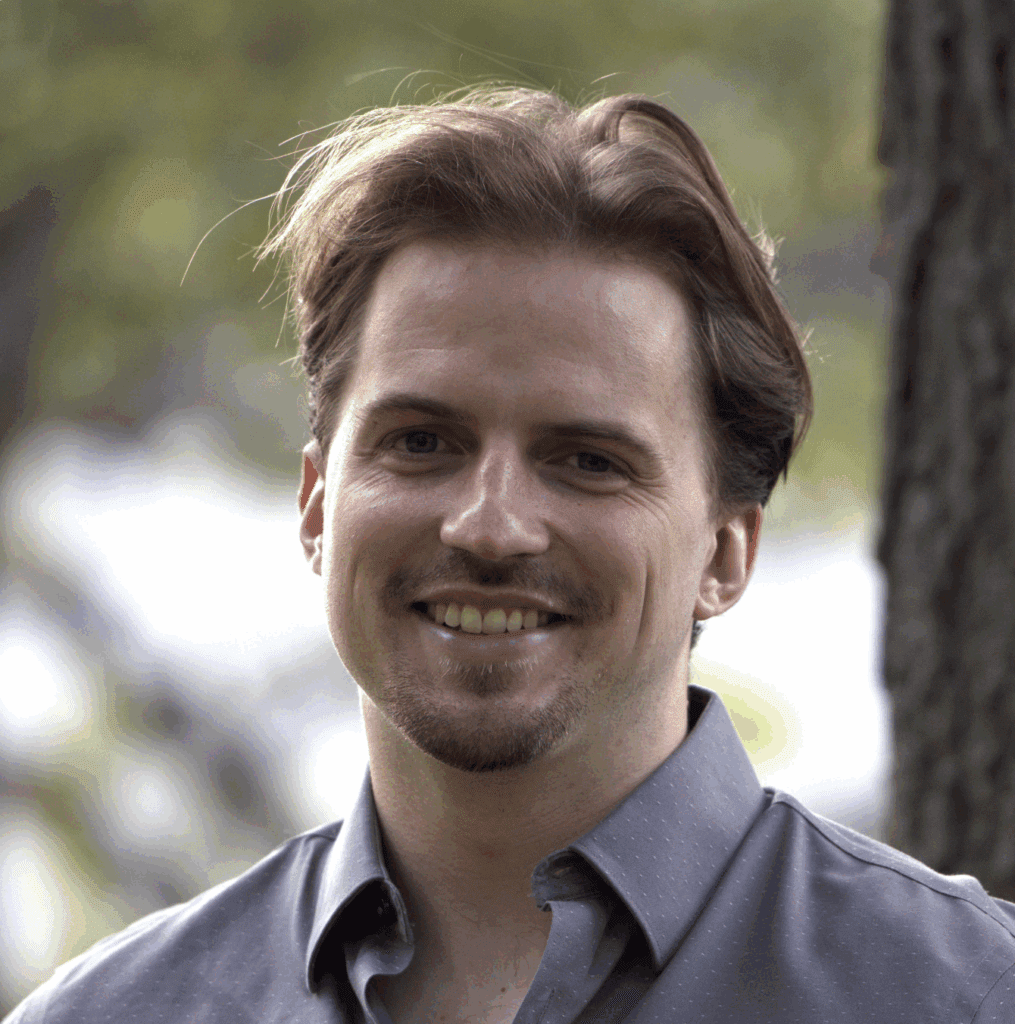
Hilton Simmet is a Research Associate at the Research Institute for Sustainability – Helmholtz Centre Potsdam (RIFS) and affiliate of the Program on Science, Technology and Society at Harvard Kennedy School. Hilton studied social theory and physics (A.B.) at Harvard College and political theory (M.A.) at Yale University. In 2025, he completed his Ph.D. in Public Policy at Harvard Kennedy School, where he specialized in Science and Technology Studies (STS) and development economics. Drawing on this training, Hilton explores the role that scientific and technical expertise play in developing solutions to problems of poverty, inequality and development. His dissertation analyzed how leading inequality economists in the US, France and India developed disparate research methods—randomized controlled trials (RCTs), distributional national accounts and “action-oriented” research—consistent with local understandings of justice and social welfare. At RIFS, Hilton is looking at the emergence of the “growth paradigm” in economic thought, and how technology has been conceived as a solution to the problem of planetary limits. He will also develop his ongoing research on the politics of the energy transition in Europe and the global South.
Vishnu Subrahmanyam
Vishnu Subrahmanyam is a PhD candidate at the Department of Bioethics and Health Humanities at The University of Texas Medical Branch, Galveston. His research examines the multiple ways in which biomedical categories and practices around HIV treatment adherence are remade through epistemic spaces: zones of possibility that emerge when different ways of knowing and acting on adherence coexist without fully collapsing into one another. Vishnu’s work aims to understand how contested knowledges become materials to be worked with, enabling the articulation of new therapeutic and biomedical possibilities leading to the generation of markets. He holds a Master’s degree in Chemistry from Pondicherry University and a Master’s degree in Bioethics from KU Leuven.
Job Zomerplaag
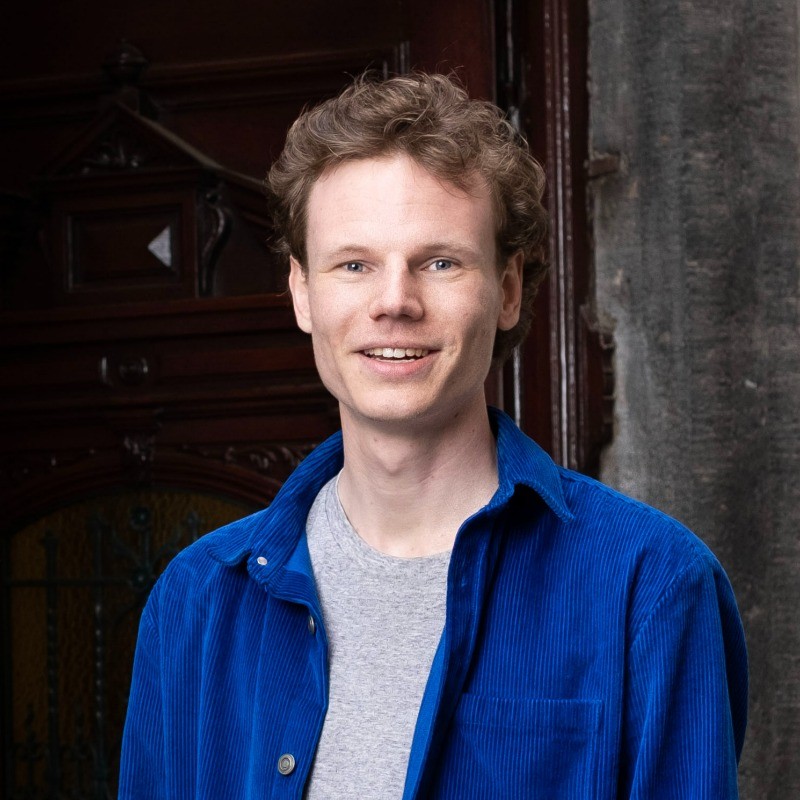
Job Zomerplaag is a Ph.D. candidate at Maastricht University’s Studio Europa and United Nations University–MERIT in the Netherlands. His research focuses on the governance of sustainability transitions, with a particular interest in how communities participate in shaping decarbonization visions and energy futures. He holds a bachelor’s degree in Communication and Media and two master’s degrees: Urban Studies from the Erasmus Mundus 4CITIES program, taught across four European capital cities, and Public Policy from Maastricht University and UNU–MERIT. With a background in journalism and public affairs, he has developed media projects and curated public dialogues bridging science, technology, and the arts. In spring 2025, Job was an Urban Futures Fellow at the University of Vienna.
What I really liked with the Summer School is the possibility of meeting people coming from all around the world and who are also passionate about STS. It has helped me to understand who I really was in that big STS family by learning other ways of doing STS in different countries through specific concepts, methodologies or topics.
– Antoine, 2022 Participant